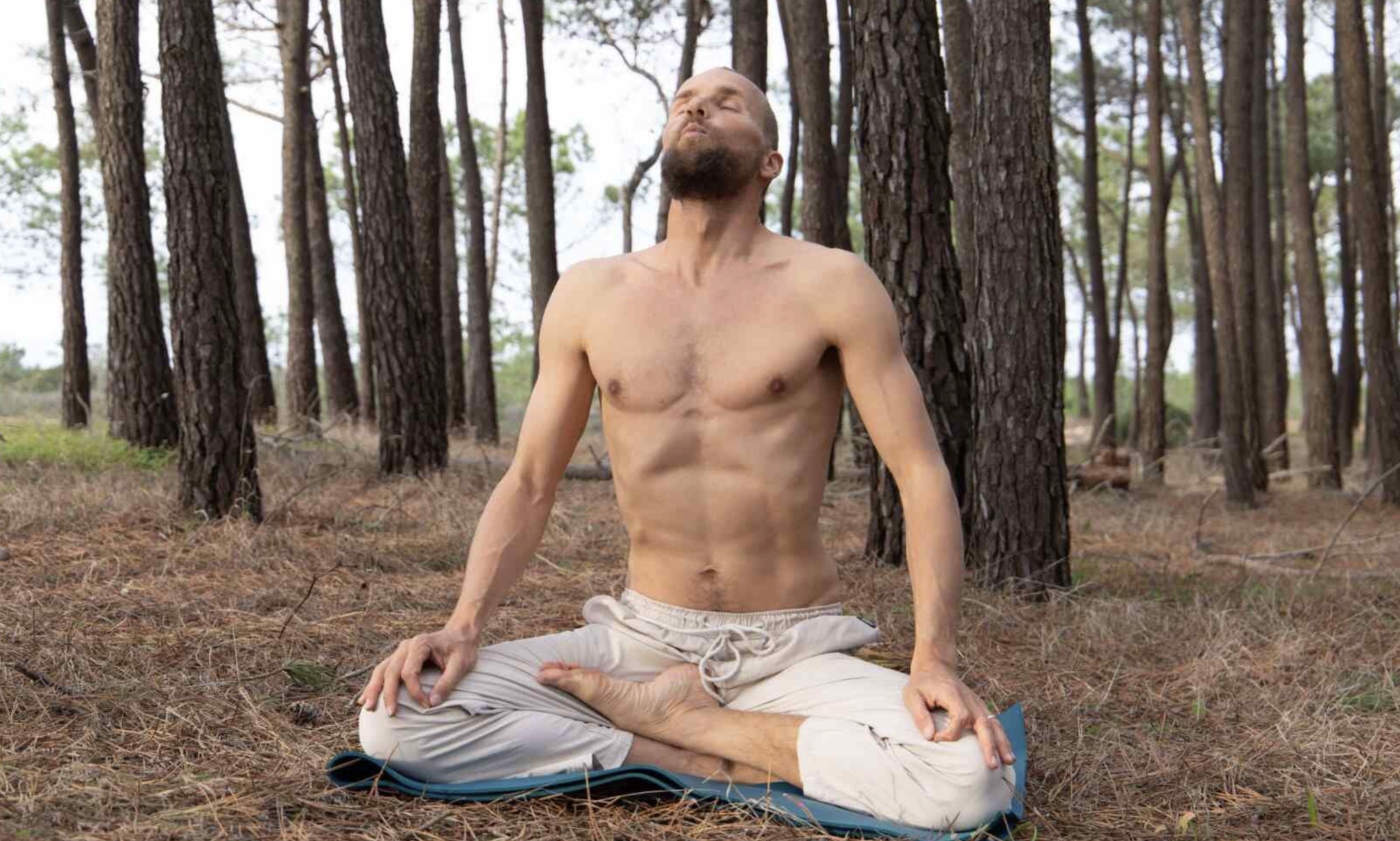
In a fast-paced world where mental health is under siege, many are rediscovering ancient tools that have been quietly waiting in the background—powerful, time-tested practices that offer true transformation. One of the most profound among them is breathwork. This isn't just deep breathing or meditation; breathwork is a structured, intentional method of manipulating the breath to influence the mind, body, and spirit.
Long before psychotherapy or pharmaceuticals, our ancestors understood the therapeutic potential of breath. From yogic pranayama in India to Sufi breathing rituals and shamanic breath practices in the Americas, cultures around the world tapped into breath to elevate consciousness, promote healing, and restore balance. Today, breathwork is experiencing a revival—offered in events around the world, from yoga studios to wellness retreats—thanks to growing research validating its effects on stress, trauma, and even depression.
Why Breath Matters More Than Ever
It might seem strange that something as automatic as breathing holds such untapped potential. But think about it: breathing is the only autonomic function we can consciously control. It's the bridge between our conscious and unconscious, between our brain and body, between stress and serenity.
When we’re anxious, our breath becomes short and shallow. But we can flip this around—by changing our breath, we can change our state. This is the basic premise behind modern breathwork: by actively shifting how we breathe, we can tap into emotional resilience, release trauma, and promote wellness on every level.
Modern Breathwork Techniques and Their Roots
Contemporary breathwork takes inspiration from ancient systems and fuses it with psychological insight. A few well-known methods include:
- Holotropic Breathwork: Developed by psychiatrist Stanislav Grof in the 1970s, this intense breathing method facilitates deep emotional release and non-ordinary states of consciousness, often likened to a psychedelic experience—without the substances.
- Wim Hof Method: A mix of cold exposure, commitment, and breathing, this practice has exploded in popularity for its purported effects on immunity, inflammation, and mental clarity.
- Transformational Breath: A therapeutic style that works on the belief that we store trauma in the breath. By opening up restricted patterns, we gain more than oxygen—we gain liberation.
All of these methods, in their own way, invite us to face our emotional landscape and release suppressed feelings—something our modern, distracted lives often prevent us from doing.
What the Science Is Saying
While breathwork may sound mystical, a growing body of research supports its benefits. In a 2020 study published in Frontiers in Psychology, participants who engaged in daily breathwork exercises showed significantly lower cortisol levels, the body’s main stress hormone. The study concluded that “slow-paced breathing techniques can have a positive effect on stress resilience and mental health.” (link)
Another fascinating finding comes from the Yale School of Medicine, where students who participated in SKY (Sudarshan Kriya Yoga) breathwork training reported reduced anxiety and depression symptoms, outperforming those who only received traditional mental health education. (link)
And in yet another study conducted by the University of Arizona, researchers found that regular breath-focused mindfulness training helped reduce PTSD symptoms in veterans. These results point to breathwork's potential as a non-invasive, cost-effective solution in the modern mental health toolkit.
Emotions Live in the Breath
So why does it work? One reason lies in how emotions and breath are intertwined. Think about how we breathe when we cry, laugh, get startled, or experience grief. Emotions literally shape our breathing—and vice versa. Breathwork allows us to consciously revisit these emotional patterns, unwind them, and reset.
This has powerful implications for healing. When trauma is held in the body—something somatic psychologists have long observed—breath becomes the key to unlocking what words can’t reach. In this sense, breathwork is not about "fixing" yourself; it’s about feeling yourself fully, safely, and in flow with life.
Breathwork as a Mind-Body-Spirit Practice
Unlike some wellness fads that only touch the surface, breathwork is inherently holistic. It aligns perfectly with the triad of mind, body, and spirit. Mentally, it reduces stress and sharpens focus. Physically, it oxygenates the blood, enhances energy, and supports detoxification. Spiritually, it reconnects us to something beyond thought—whether that’s stillness, intuition, or what some might call the divine.
It’s no surprise then that breathwork is a cornerstone of many spiritual traditions. In yogic philosophy, for example, the breath—or prana—is the life force that animates us. Mastery of breath is said to lead to mastery of the mind. In Taoism, breath is used to circulate energy through the body’s meridians. And among indigenous cultures, breath often serves as a portal to spirit realms.
In our modern search for purpose and peace, breathwork becomes more than a practice—it becomes a spiritual path, a reconnection with the part of us that was never broken.
Where to Begin Your Breath Journey
Breathwork can be practiced solo, but joining a guided session can amplify its impact—especially for beginners. Luckily, many events now offer introductory workshops, immersive retreats, or recurring breath circles that cater to all experience levels.
If you're curious to explore this for yourself, check out our local and global mind, body, spirit events, or browse our curated wellness experiences tailored to emotional and energetic healing.
Additionally, apps like Breathwrk, Othership, or Insight Timer offer structured sessions for stress, sleep, focus, and more. For those looking to go deeper, working with a certified breathwork facilitator is highly recommended. They can guide you through deeper emotional releases and ensure safety during more intense sessions.
Stories of Transformation
Many who discover breathwork report life-changing experiences. One participant from a London-based breathwork event shared: “I went in for anxiety relief and came out feeling like I’d shed 10 years of grief. It was the most profound therapy I’ve ever experienced—and I didn’t even have to speak a word.”
Others speak of feeling connected for the first time—to themselves, to others, and even to something greater. It’s this connection that people crave most today, and breathwork delivers it in the most primal, embodied way possible.
Breathwork in the Workplace and Daily Life
Forward-thinking companies are now bringing breathwork into the office to support employee wellness. Even a few minutes of deep, rhythmic breathing can help reduce burnout, improve concentration, and create a more harmonious work culture.
On a personal level, incorporating simple breath practices into your morning routine or evening wind-down can create profound shifts over time. Try box breathing (inhale 4, hold 4, exhale 4, hold 4) or alternate nostril breathing to instantly calm your nervous system.
Breathing New Life Into Mental Health
As society grapples with an epidemic of anxiety and disconnection, the rise of breathwork is both timely and necessary. It's not a cure-all, but it’s a potent catalyst—one that invites us to slow down, go inward, and reclaim the innate healing power we carry with every inhale and exhale.
Whether you're navigating grief, stress, burnout, or simply yearning to reconnect with your inner self, breathwork offers a way back home. It’s a tool our ancestors knew well, and one that we’re finally remembering. The breath has always been there—now, it’s time we truly listen to it.
Want to experience this for yourself? Explore upcoming breathwork events in your area or join a wellness retreat where breath is central to the healing process. If you're curious to dive deeper, this intro to breathwork video by Breathwork teacher Jon Paul Crimi is a great starting point.
We’d love to hear from you—what breathwork experiences have impacted your journey? Let us know or join the conversation at one of our upcoming mind, body, spirit events.