









Intensive Farming in Intentional Communities
Intentional communities (eco-villages, communes, co-housing projects) can adapt intensive farming techniques to achieve food sovereignty while aligning with shared values of sustainability and cooperation. How It Works:
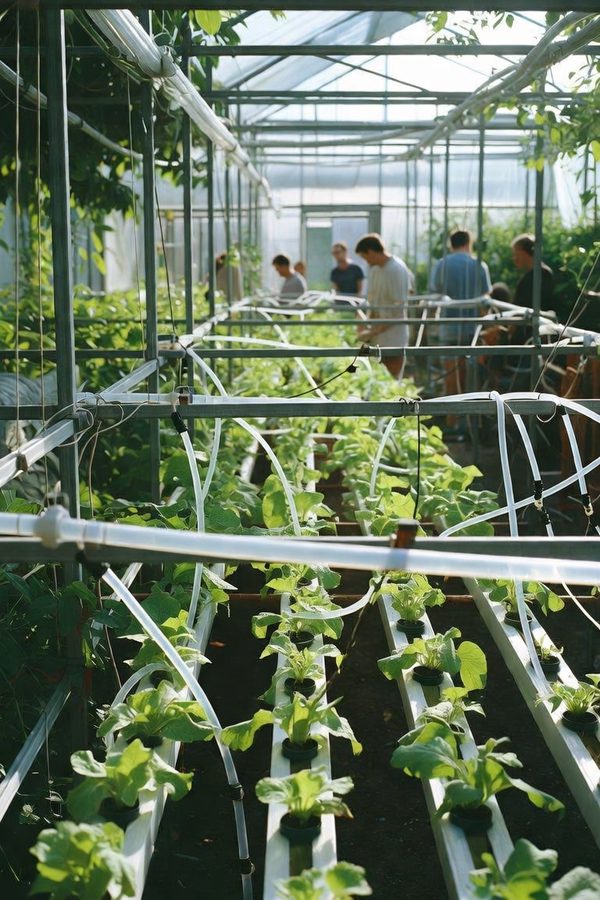
High-yield small plots: Use intensive methods like raised beds, vertical farming, aquaponics, and hydroponics on limited communal land to produce large amounts of food for the group. Precision tools + shared labor: Community members rotate duties using drones, soil sensors, and automated irrigation — reducing individual workload while maximizing output. Integrated systems: Combine intensive crop production with livestock (e.g., chickens in mobile coops) and composting to create closed-loop nutrient cycles. Polyculture hybrids: Blend intensive techniques with permaculture — growing high-density staple crops (grains, potatoes) alongside diverse vegetables and herbs to improve resilience. Greenhouse & season extension: Heated or passive solar greenhouses allow year-round intensive production even in challenging climates.
Benefits for Communities:
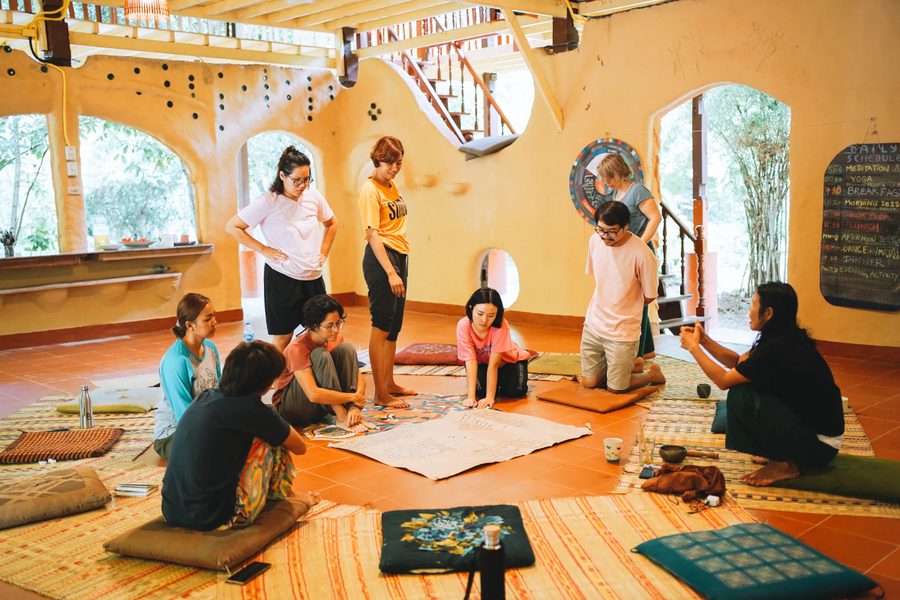
Greater self-reliance and reduced food costs. Stronger social bonds through shared farm work and harvests. Opportunity to test regenerative intensive models (e.g., no-till, organic inputs, biochar) that minimize environmental harm.
Challenges: Balancing high productivity with ecological care, preventing burnout from intensive labor, and managing group decision-making on technology use. Many intentional communities successfully use intensive methods at a human scale — turning small land bases into abundant, resilient food systems. Would you like examples of real communities doing this, or tips on implementing it? 🌾
8 0

Scroll down for more