We all feel anxious from time to time—it's part of being human. But for many of us, anxiety doesn’t just pass. It lingers, interferes, and sometimes overwhelms. If you’ve been there, you know it can feel like your mind is running a marathon you never signed up for. Self-care isn’t a luxury in these moments—it’s a necessity. The right practices, tailored to your own rhythms and values, can be life-changing.
This article offers a grounded, compassionate look at self-care strategies that support your mind, body, and spirit. Drawing on research, lived experience, and timeless wellness wisdom, we’ll explore techniques that are simple yet powerful. Whether you’re managing anxiety day-to-day or navigating a more intense season, you’ll find tools here to support your journey.
Understanding Anxiety in Modern Life
Anxiety is more than occasional worry. It’s often a complex interplay between stress, trauma, biology, and the fast-paced world we live in. According to research by the World Health Organization, anxiety disorders affect more than 300 million people globally. But while the numbers are sobering, there’s a hopeful side to this: anxiety is highly treatable—and self-care plays a big role.
Anxiety can show up physically (like a racing heart), emotionally (constant worry or dread), or behaviorally (avoidance of triggers). Recognizing your personal patterns is the first step toward calming the storm.
The Role of Self-Care
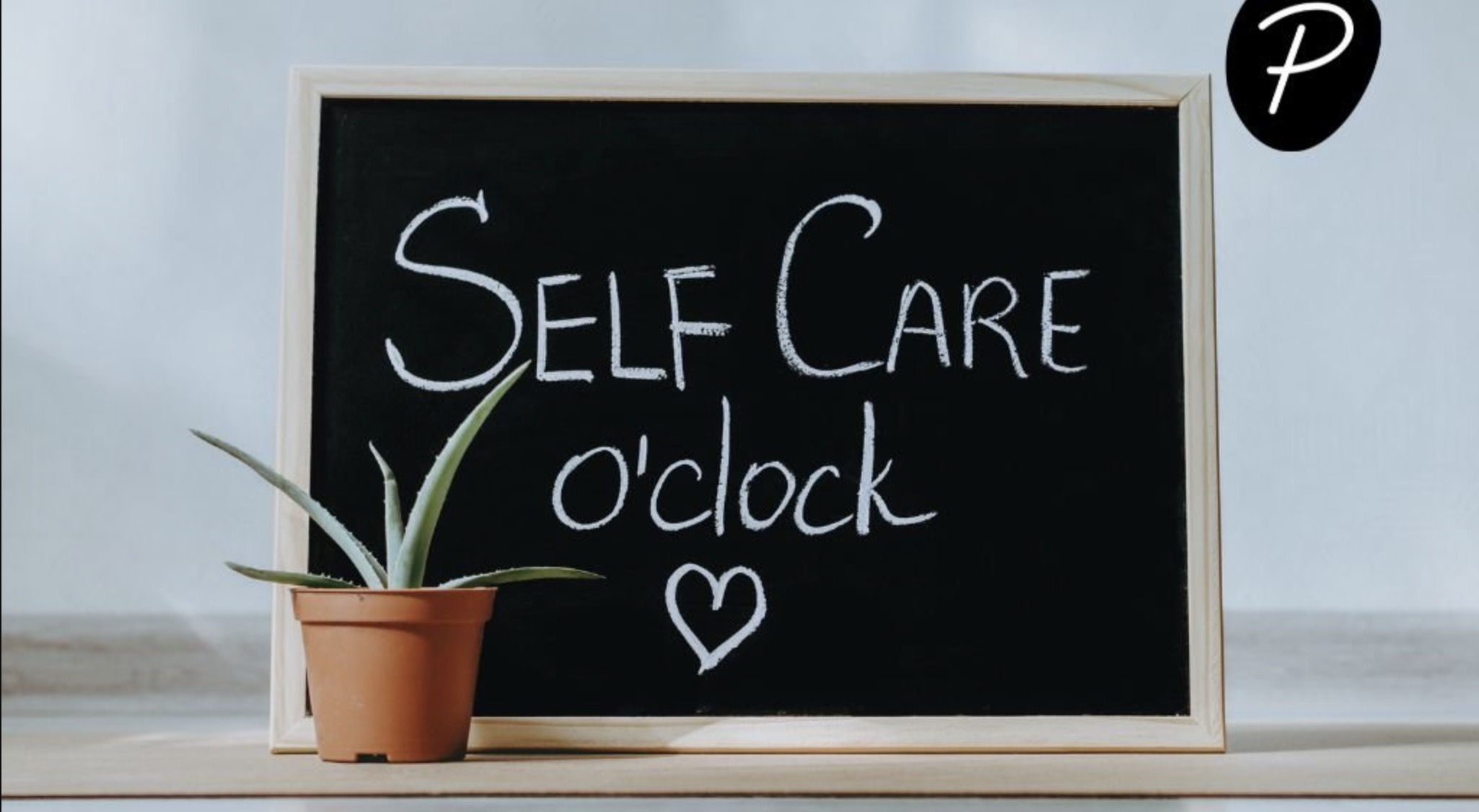
When we hear “self-care,” it’s easy to picture bubble baths or spa days. And yes, those can help! But real self-care is deeper—it’s about making consistent choices that replenish you mentally, physically, and emotionally. In other words, it’s about resilience. The kind of resilience that allows you to meet anxious moments with a clear head and a steady heart.
Below, we’ve broken self-care into three interconnected areas: mind, body, and spirit. You’ll also find links to helpful events and tools that can bring this approach to life.
1. The Mind: Calm the Inner Dialogue
Practice Mindfulness Daily
Mindfulness has become a bit of a buzzword, but its impact on anxiety is backed by solid research. In one 8-week program, participants who practiced mindfulness meditation showed significantly reduced symptoms of anxiety and depression. The best part? Even 10 minutes a day can help.
Try sitting in a quiet space and focusing on your breath. When your mind wanders (and it will), gently bring your attention back. You’re training your brain to return to the present instead of spiraling into "what ifs."
Limit News and Social Media Intake
Constant stimulation from screens can ramp up our anxiety without us even noticing. Try setting boundaries: no scrolling after 9pm, or commit to a “news detox” day each week. Replace that time with a short walk, a good book, or even checking out local wellness events.
Journal Your Thoughts
Writing down what’s on your mind can reduce mental clutter. It also gives you perspective: what feels overwhelming in your head often looks more manageable on paper. Some people use a structured anxiety journal, while others prefer a free-writing approach.
2. The Body: Care for Your Physical Vessel
Get Moving—Even Gently
Exercise helps regulate cortisol (your stress hormone) and boost serotonin (your feel-good hormone). But you don’t have to hit the gym hard. Gentle movement like yoga, qigong, or a 20-minute walk can make a big difference. Bonus: these activities often combine breathwork and mindfulness, ticking multiple boxes for anxiety relief.
Consider signing up for a class at a local wellness gathering. These spaces offer both movement and community, a powerful combo.
Sleep: The Silent Healer
Anxiety often disrupts sleep, and lack of sleep increases anxiety—a vicious cycle. Break it with consistent routines: limit caffeine after 2pm, unplug from screens an hour before bed, and create a calming wind-down ritual. Try a lavender spray on your pillow or listen to a guided sleep meditation.
Eat to Nourish, Not to Numb
While comfort food has its place, a diet high in sugar and processed foods can aggravate anxiety. Focus on stabilizing blood sugar: include protein, healthy fats, and fiber in every meal. Omega-3s (found in fish, flax, and walnuts) have been shown to reduce anxiety symptoms.
3. The Spirit: Reconnect with Meaning and Presence
Create Sacred Space in Your Day
Whether it’s 5 minutes in silence, lighting a candle before bed, or sitting under a tree, ritual helps anchor us. These practices aren’t about religion—they’re about connecting with something bigger than our current worries. Even the act of attending a mind, body, spirit gathering can create a sense of belonging and peace.
Breathwork as a Spiritual Practice
Conscious breathing not only calms the nervous system but also reconnects you to the present moment. Techniques like alternate nostril breathing or box breathing can be incredibly grounding. Some people find it helpful to combine breathwork with a quiet mantra or intention like “I am safe.”
Connect With Community
Isolation can magnify anxiety. Look for local or online communities that align with your values—especially those centered around wellness, nature, or creative expression. Whether it's a cacao ceremony, full moon circle, or a sound bath, being seen and supported is powerful medicine.
Creative Tools for Long-Term Support
Art and Music as Therapy
You don’t need to be an artist to benefit from creative expression. Drawing, painting, dancing, or playing music offers an outlet when words aren’t enough. In fact, studies have found that music therapy significantly reduces anxiety levels in hospital patients.
Try exploring a creative wellness event near you—many include expressive art, sound journeys, or drumming circles.
Use Technology Wisely
Apps like Insight Timer, Calm, and Breathwrk offer guided meditations, breathing exercises, and anxiety journals. These tools can support your self-care practice, especially on days when you’re struggling to self-motivate.
Sophrology: An Underrated Tool
Originating in Europe, sophrology blends Eastern practices (like meditation and visualization) with Western relaxation techniques. It’s used in clinics and schools across France and Spain to manage stress, anxiety, and even chronic pain. You can try an intro session online or see if any wellness retreats near you offer it.
Your Self-Care Map: Putting It All Together
There’s no one-size-fits-all solution. Self-care for anxiety is about experimenting, observing, and creating a toolkit that evolves with you. On some days, it might be a morning walk and green tea. On others, it might be a full-on reset: unplugging from work, journaling your heart out, and immersing yourself in a local mind, body, spirit event.
What matters is consistency and self-compassion. Your journey may not be linear—but each step, no matter how small, is part of your healing.
Keep Exploring
Want to go deeper? Here are some ideas:
- Attend an upcoming event near you
- Explore our curated list of wellness workshops
- Watch this powerful video on mindfulness and anxiety: The Science of Mindfulness
What practices have helped you manage anxiety? What are you curious to try next? Let us know or share your experience at the next community gathering.