 Narara Ecovillage
Sustainable living, inspired community. You're invited.
✓ established
Our Story
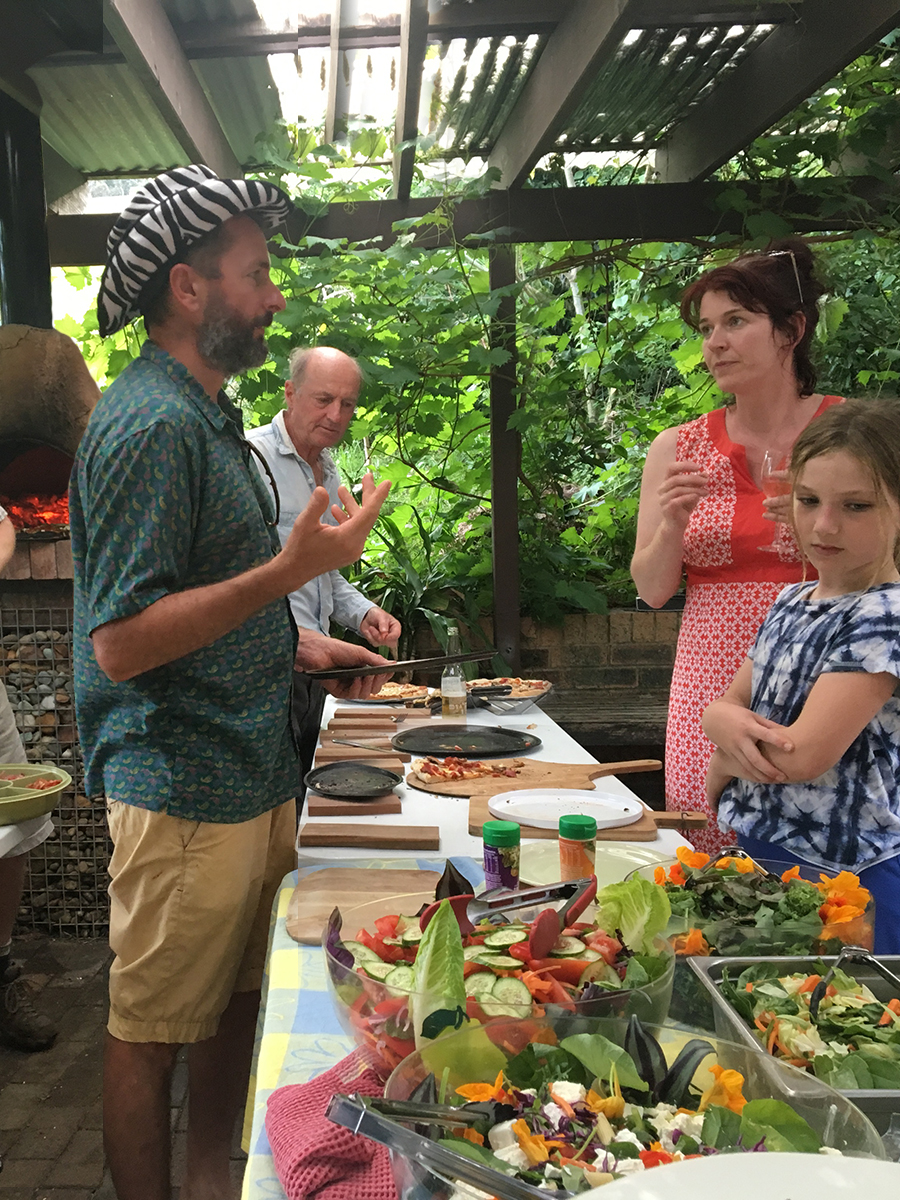
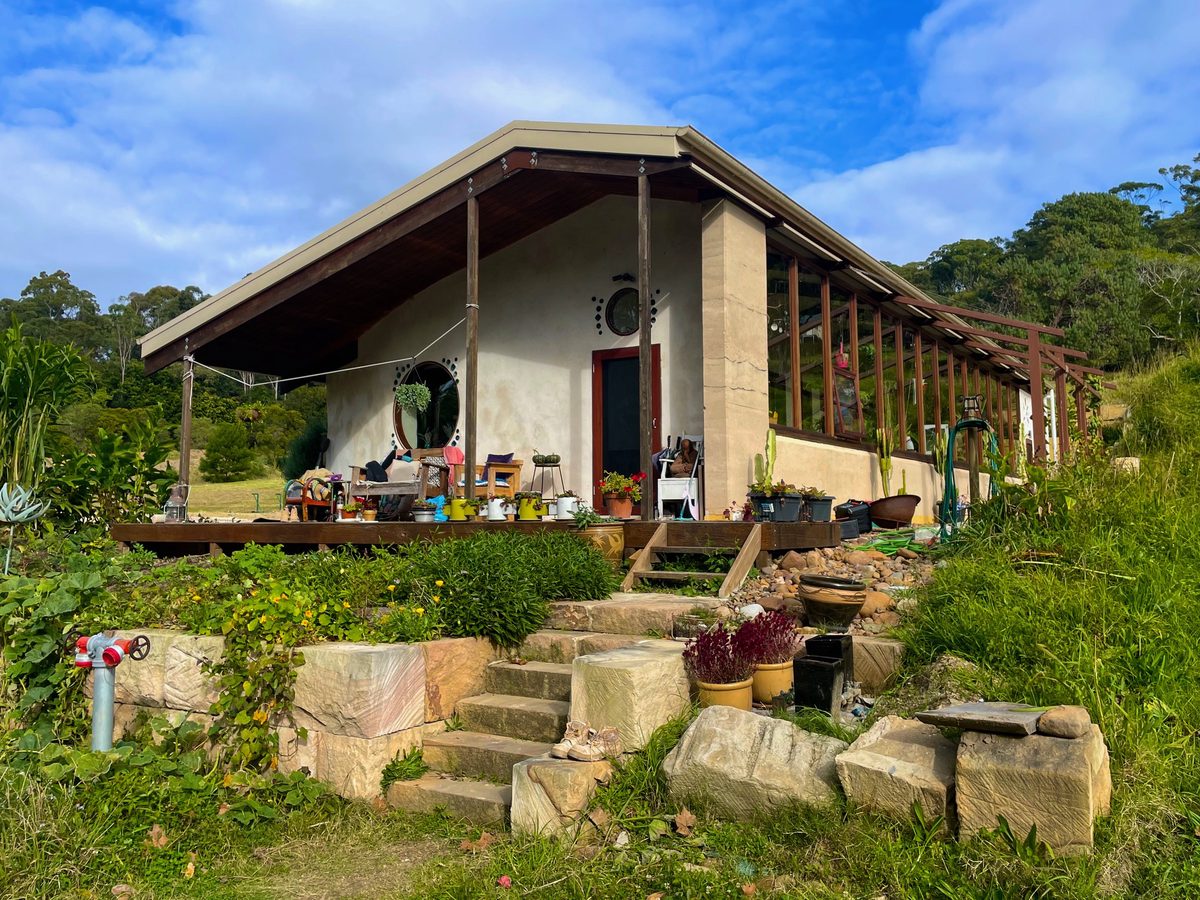
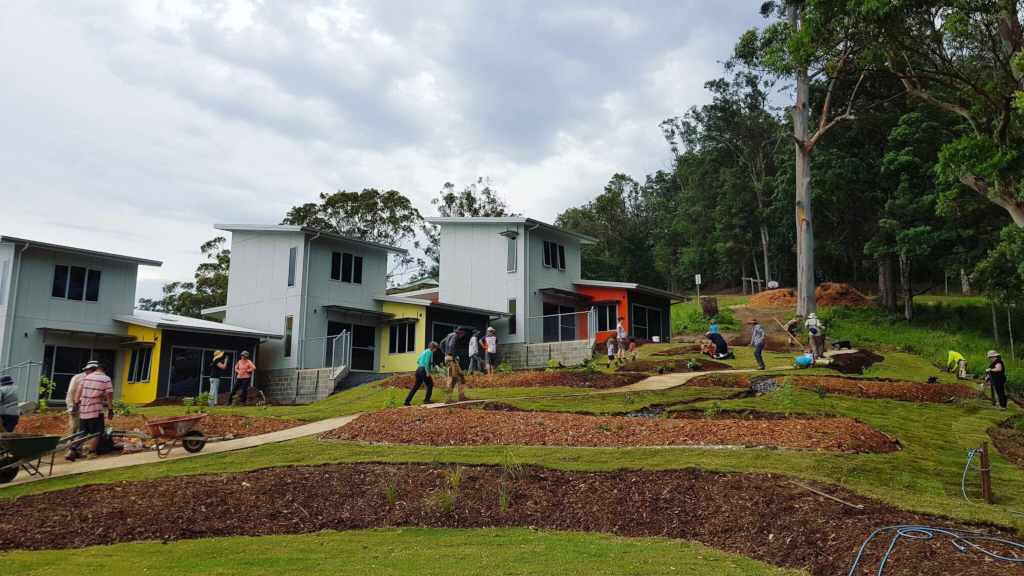
Narara Ecovillage is an intergenerational residential community on the Central Coast of NSW, Australia – surrounded by bushland, close to pristine beaches, and an easy drive (or stunning train trip) just over an hour north of Sydney. Founded in 2006, with a vision for a more environmentally, socially and economically sustainable world, the Ecovillage community consists of around two hundred members. With over 50 homes built in Stage 1, and another 50 lots ready for construction in Stage 2, there are a few lots are still available, and we’re always excited to connect with prospective new members.
Our Tribe
Community Life
Membership & Governance
Decision Making
This is one of the most frequently-asked questions from anyone interested in living at Narara Ecovillage. Our answer: “With a strong commitment to Sociocracy” – a governance model based on the insistence that everyone has the opportunity to be heard and that processes are transparent. When all members’ needs and concerns are heard and taken into account, and decisions are made in a way that is truly collaborative, there is high ‘buy-in’ and acceptance from all. This also generally ensures high quality, creative decisions, as the wisdom of the group is pooled and solutions do not depend on just one or two leaders ‘getting it right’. How does Sociocracy work? We generally meet in a circle, to represent that we all have a valid contribution to make - All sociocratic circles have an appointed facilitator, whose job it is to maintain the integrity of the process - We hear one another in rounds, and give each other the opportunity to question, clarify and object to a proposal - We reach ‘consent’ around ideas that support our agreed overall vision (a sustainable world) rather than our individual preference - We welcome creative and constructive input through ‘picture forming’ (a bit like brainstorming – but more focused and calmer!) - We see considered objections as opportunities to refine a suggestion and add ideas that otherwise may not have emerged - We use predictable, respectful ways to navigate difficult issues - We seek solutions that are ‘Good Enough for Now’ and ‘Safe Enough Try’ - We insist on being open to new information and learning by building in a review plan with a timeframe for each decision made - We struggle against our old habits, and keep trying … and - We are committed to continuous learning ourselves, and hope to share our learning with other individuals, groups and organisations who are interested in Sociocracy.
Membership Process
A Member can be an individual, a couple, a family or friends – or even a ‘Corporate Structure’ of some type for dual occupancy or cohousing. The Member purchases a shareholding of $30,000 in the community land and buildings owned by the Cooperative. The Member can then buy an Ecovillage lot with the intention to build (or, if they are lucky, they can buy a completed home for sale). The Member contributes to Cooperative maintenance and development through an average of 1 hour of work each week – in anything from admin work to lawn mowing, or even washing up – and, 6 hours per year for APZ (Asset Protection Zone) and also through an annual levy somewhat equivalent to a strata contribution. Members also commit to our Community Management Statement. In the event that a member chooses to exit the Cooperative and sell their property, their shares can be repurchased by the Cooperative and their property can be sold on the open market or to current members of the Cooperative. Buyers will however need to become members and buy shares in the Cooperative before settlement.
Our Vision
Our Vision is for an environmentally, socially and economically sustainable world. Our Mission is to create a sustainable ecovillage as a demonstration of this vision. Our Aim is to nurture a resilient and inclusive intergenerational community that inspires collaboration, innovation and fun; to live with kindness, aware of our interdependence with others and the natural world; and to learn and demonstrate ways to thrive within the earth’s ecological capacity, drawing on Indigenous wisdom and fostering regenerative environmental, social and economic practices.